
Inside Clip Analytics: How Beta Ads Verifies Every Ad Impression Across the Nordic Streaming Network
Most livestream advertising runs on trust. A streamer says your ad showed up. You hope they are right. Clip Analytics processes every clip from every stream in real time, checking ad delivery, brand safety, and brand mentions automatically, so you have proof instead of assumptions.
The Verification Problem Nobody Talks About
Livestream advertising has a dirty secret. Most of the campaign data brands receive comes from the streamers themselves.
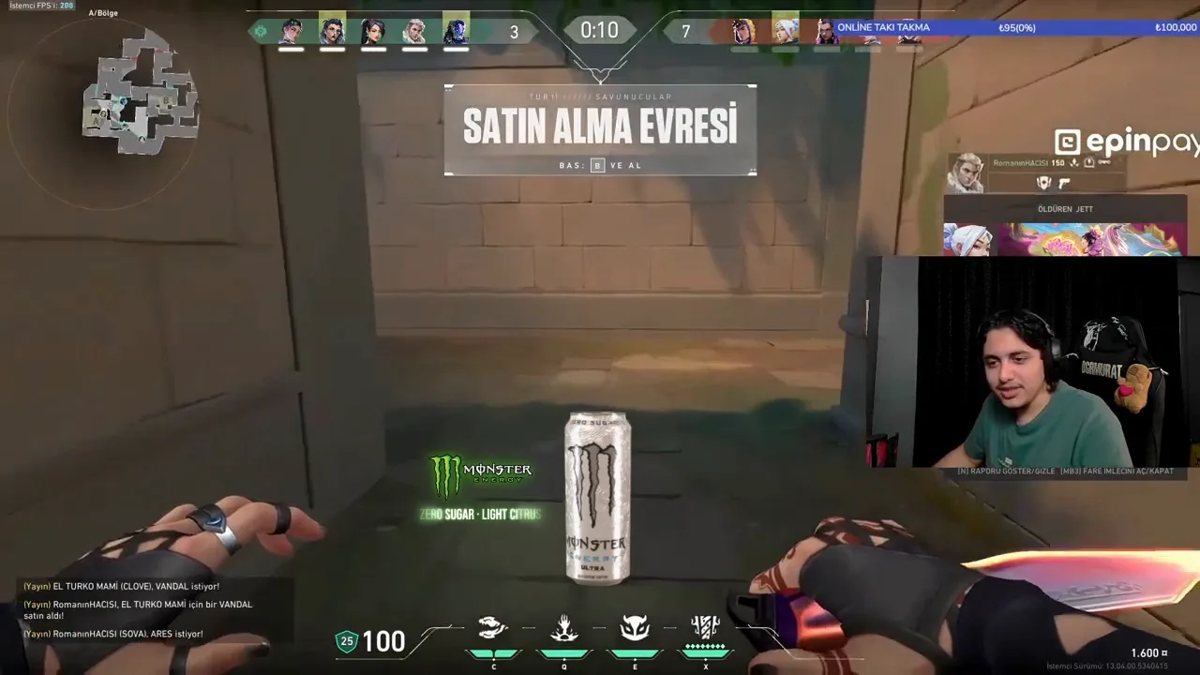
A campaign runs across 40 streamers for three weeks. At the end, each streamer sends a screenshot, a clip, or a summary they put together. Someone on the agency side collates it. The brand gets a PDF with viewership numbers and a handful of highlight moments. Nobody actually verified whether the ad showed up in every scheduled slot, whether the stream content was brand-safe throughout, or whether the streamer mentioned the product at all.
This is how most of the industry operates in 2026. And it is fundamentally broken for any brand that cares about accountability.
What Clip Analytics Is
Clip Analytics is Beta Ads' real-time ad verification system, built into every managed campaign. When a campaign is live, the platform records clips of every eligible streaming session. Each clip goes through an automated processing pipeline that checks five things:
General recording confirms whether a clip was successfully captured. Across the current dataset, 97.1% of all scheduled ad slots have a recorded clip available for review.
Ad detection checks whether the overlay ad was actually visible in the clip and displayed correctly. Of the 1,640 clips processed, 98% showed the ad displaying as intended. 1% showed a rendering error, and 1% showed no ad present at all.
Transcript generation converts the stream audio to text for every captured clip. This is the foundation of the brand mention and brand safety checks. All 1,640 processed clips have a transcript.
Brand safety scoring runs each transcript through a content classification model that flags harmful, controversial, or brand-incompatible content. The current data shows 80% of clips classified as no risk, 10% low risk, 5% medium risk, and 5% high risk. Clips in the high-risk category are flagged for human review.
Brand mention detection searches each transcript for explicit references to the advertiser. In the current dataset, 15.9% of clips contain a brand mention by the streamer, and 34.5% of clips from specifically sponsored streams contain a streamer-initiated brand mention.
Why These Numbers Matter
The 98% ad detection accuracy is not a vanity metric. It means that when a streamer runs a technical setup that causes the overlay to fail, the platform catches it before the post-campaign report. You know within hours, not weeks.
The 80% brand-safe rating is also more nuanced than it sounds. A brand operating in gaming understands that streamers use strong language. "Low risk" for a gaming brand is often acceptable context. "High risk" might be a political discussion, a hate speech incident, or content that conflicts directly with brand values. Having that classification automatically, across every clip, means compliance teams can audit campaigns without watching hundreds of hours of footage.
The streamer brand mention rate at 34.5% on sponsored streams is particularly useful. Sponsorship agreements often require the streamer to verbally acknowledge the brand at specific intervals. Clip Analytics makes that verifiable without human review of every stream.
The Processing Pipeline
The system runs continuously. When a streamer in the network goes live with an active campaign, the clip capture begins. By the time a stream ends, the clips are processed, scored, and available in the campaign dashboard.
The Clip Processing tab in the dashboard shows the status across all five processing stages. The current period covers 1,689 total ad slots, of which 1,640 have been fully processed through all stages. The daily breakdown shows consistent delivery: between 40 and 90 ads captured per day over the April to May period, with volume peaks aligning with weekend streaming schedules.
What Brands Get From This
Before Clip Analytics, a Nordic campaign manager could tell a brand: "The campaign ran. Here is the aggregate viewership data from the streamers."
After Clip Analytics, the same manager can say: "97.1% of your scheduled ad slots have verified recordings. Of those, 98% show correct ad display. 80% of stream content met your brand safety threshold. Streamers mentioned your brand by name in 34.5% of sponsored sessions. Here is the clip for every flagged slot."
That is the difference between a receipt and a report.
For brands buying livestream advertising in Norway, Sweden, Finland, and Denmark for the first time, this kind of verification removes the biggest objection in the room: "How do I know it actually worked?"
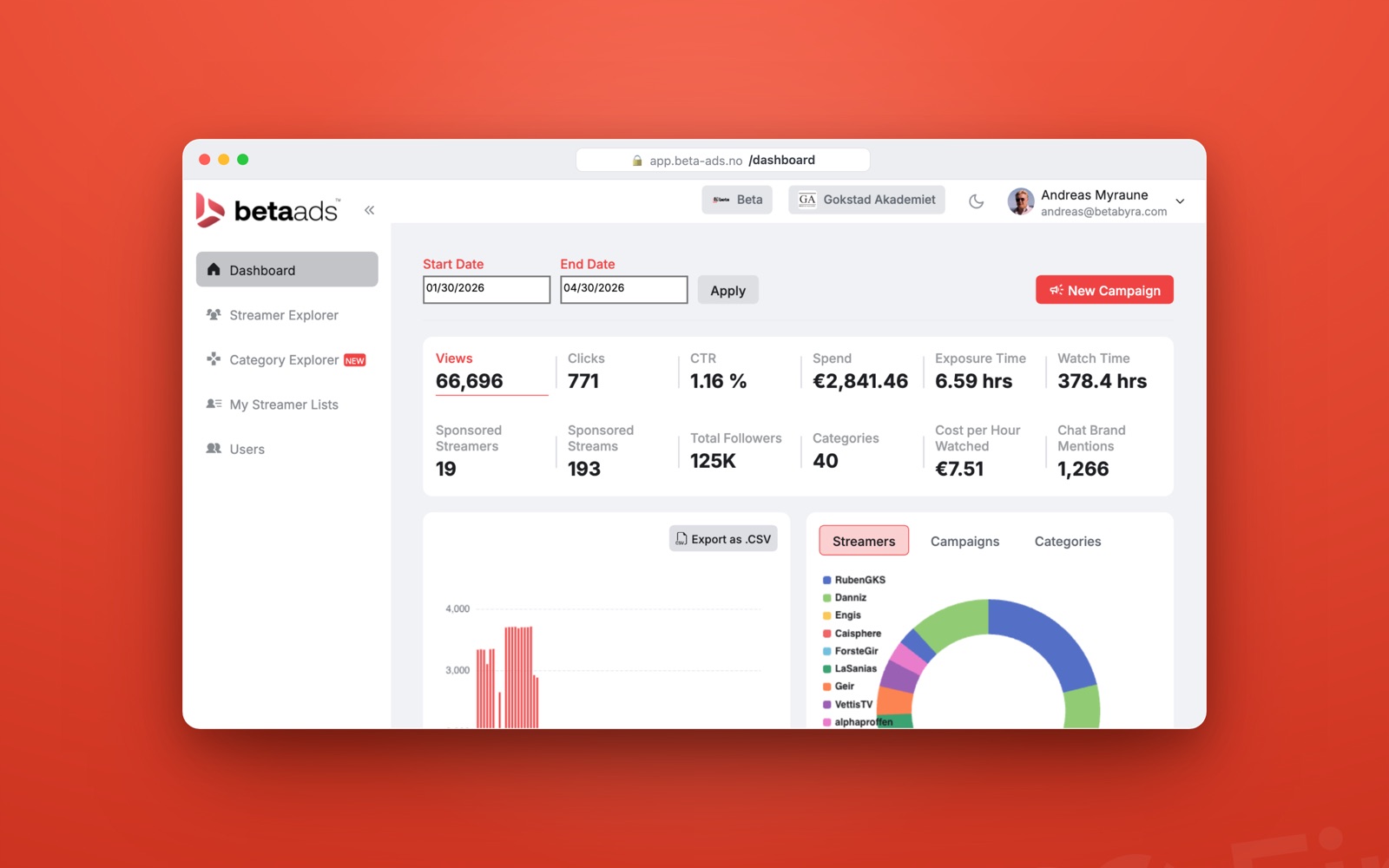
You know because every clip is checked, scored, and logged automatically. The data is in the dashboard above.